[ uniten academic project — data structures & algorithms ]
missing bags, wrong queues, unclaimed luggage — built the system that solves all three.
airports process thousands of bags daily. without a structured system, luggage can be misplaced, delayed, or impossible to trace — especially when multiple stages of handling are involved.
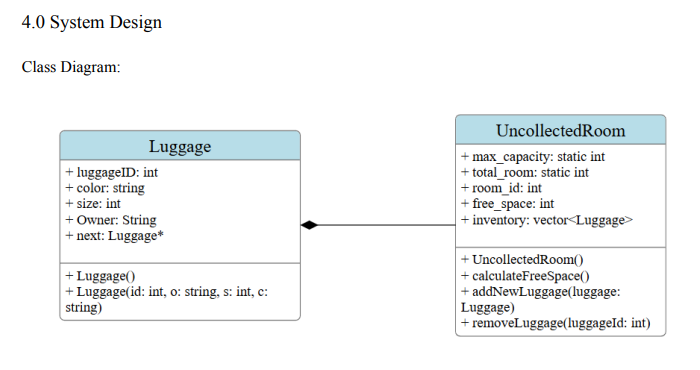
a console-based c++ system simulating the complete airport luggage lifecycle: aircraft arrival → unloading (stack, LIFO) → baggage reclaim belt (queue, FIFO) → passenger verification → unclaimed storage. each stage uses the most appropriate data structure for the operation.
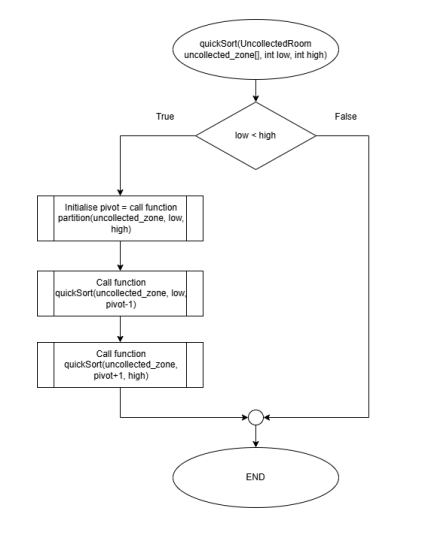
used a stack for aircraft cargo because the last bag loaded must be the first unloaded (LIFO). used a queue for baggage reclaim because passengers collect in arrival order (FIFO). used vectors for dynamic unclaimed storage since bag count is unpredictable. sorting algorithms applied to unclaimed storage for efficient retrieval.
demonstrates how abstract data structures map directly to real-world operational problems. applied multiple data structures in one integrated system — stack, queue, vector, and array — each chosen deliberately for its use case.
4
data structures applied: stack, queue, vector, array
6
C++ classes built
2
algorithms: sort and search on unclaimed storage
 aircraft unloading
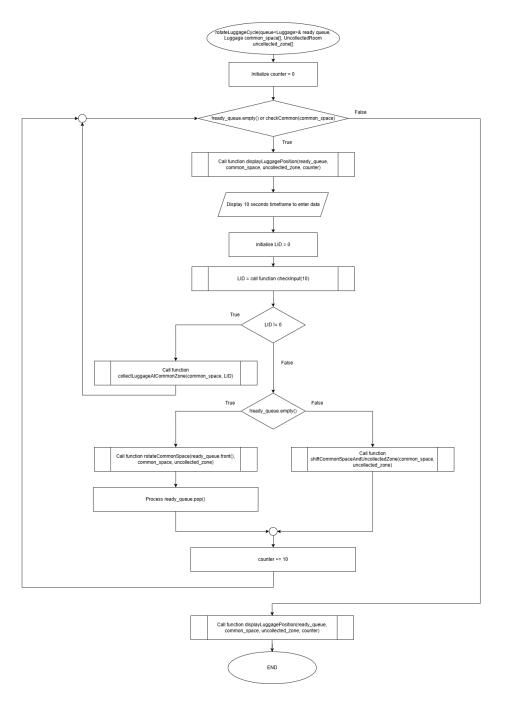
 baggage reclaim
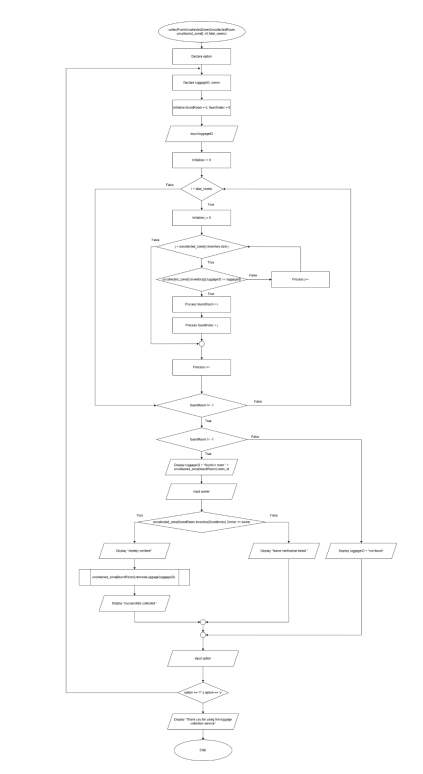
 passenger verification
 unclaimed storage