[ uniten academic project — hci & python ]
designed the app that makes maths feel less scary — from wireframe to prototype.
maths expressions are abstract to students — they see numbers and symbols but not what they mean visually. separately, children's educational apps often overwhelm young users with complex interfaces not suited to how they actually think and interact.
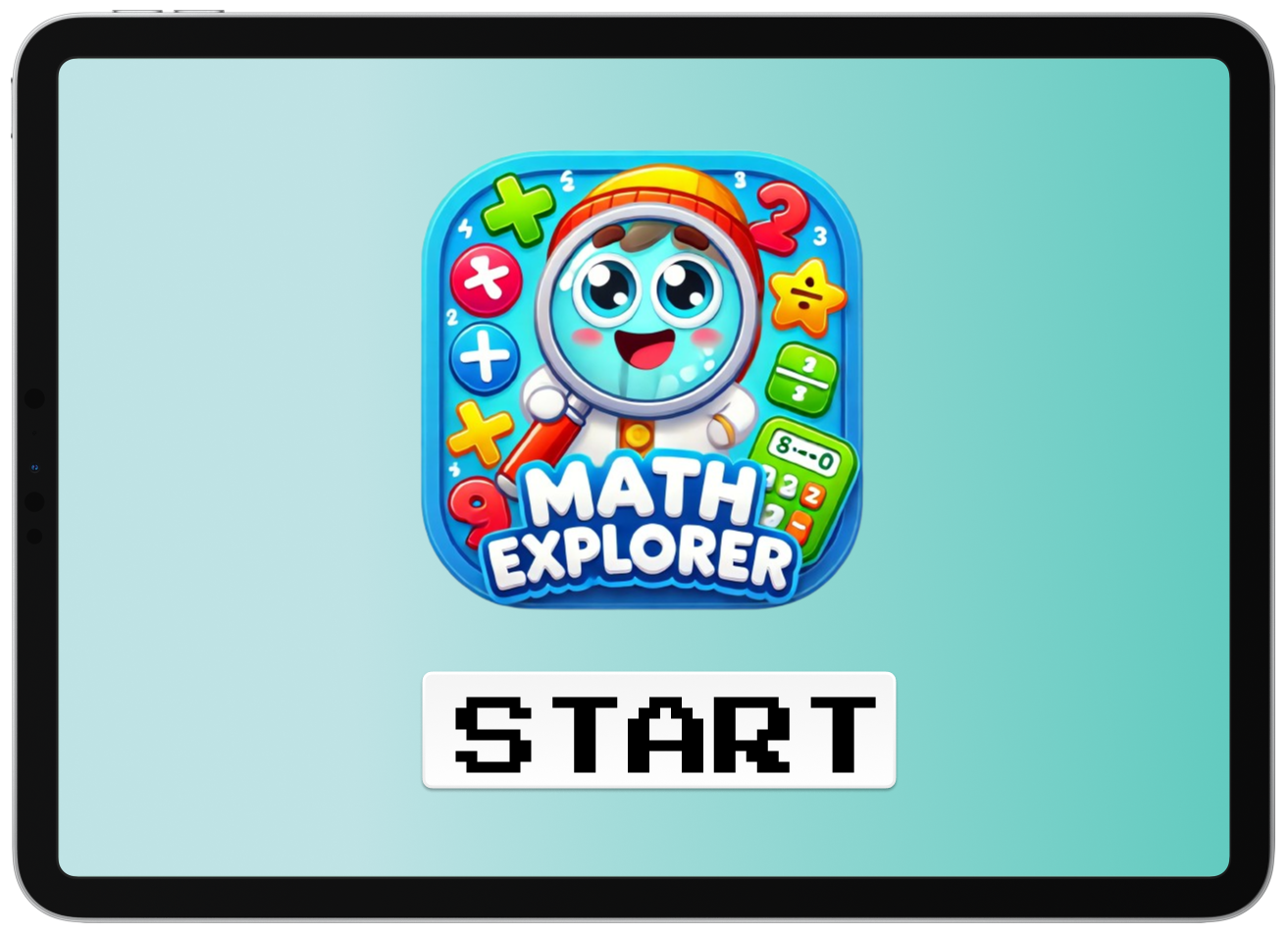
two deliverables: (1) a python graphing tool built with matplotlib and tkinter — type any expression and it renders as a live plot instantly. (2) a high-fidelity figma prototype of a kid-friendly tablet quiz app with difficulty levels (easy/hard), multiple-choice questions (e.g. 5+5=?), video instructions before exercise sets, progress tracking (0%/67%/100%), sound/zoom controls, and sidebar question navigation.
applied user-centred design methodology for the hci prototype — user research, persona development, task analysis, and usability evaluation all informed every interface decision. designed for how children aged 6–10 actually interact with tablets, not how adults assume they do.
11 figma screens covering the full student journey. demonstrates both technical implementation (python + matplotlib) and ux design thinking (ucd methodology + hci principles) in one project.
11
HCI screens prototyped in Figma
5
HCI principles baked into every design decision
1
designed specifically for children aged 6 to 10
 python graph tool
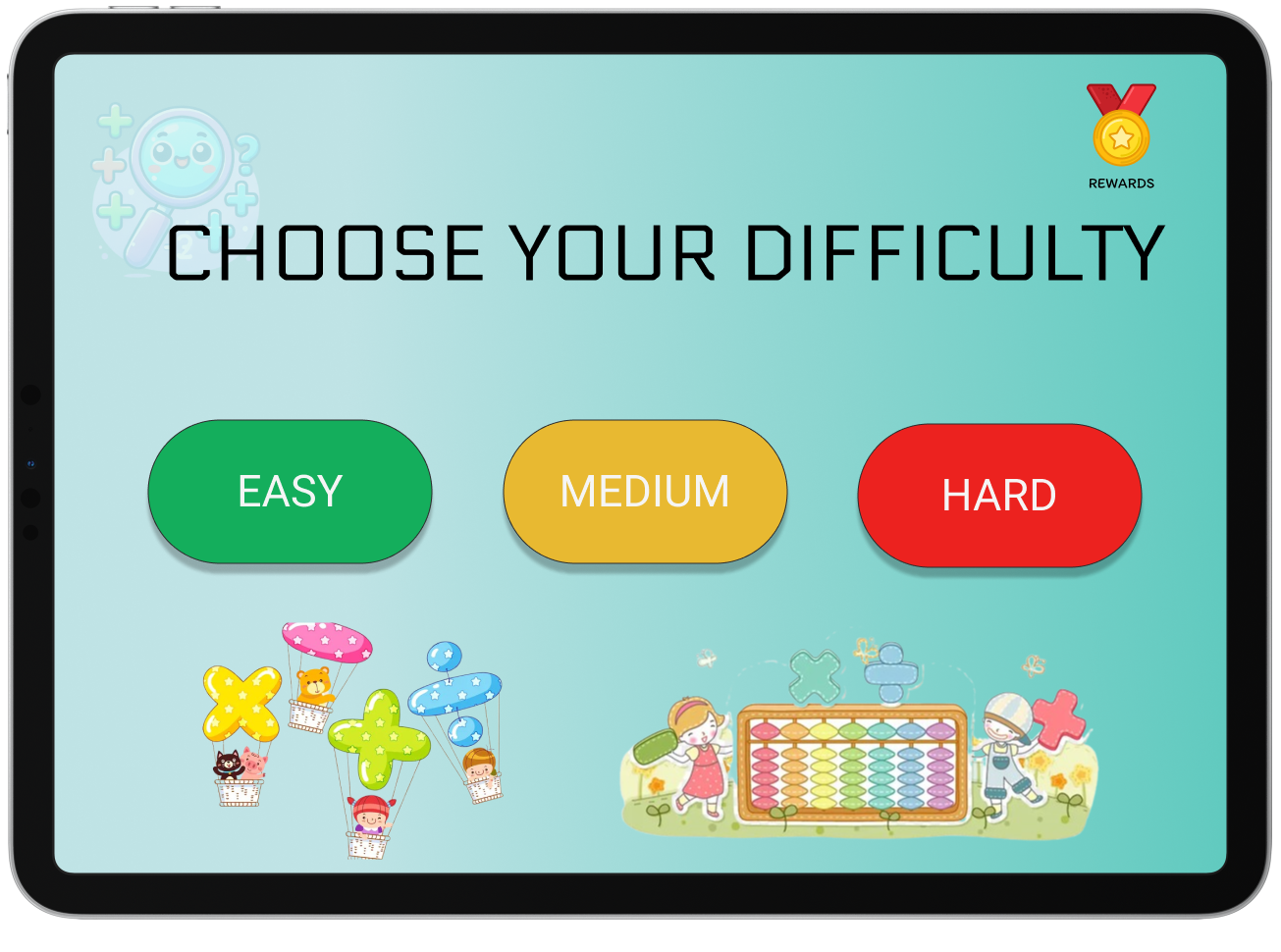 difficulty selection
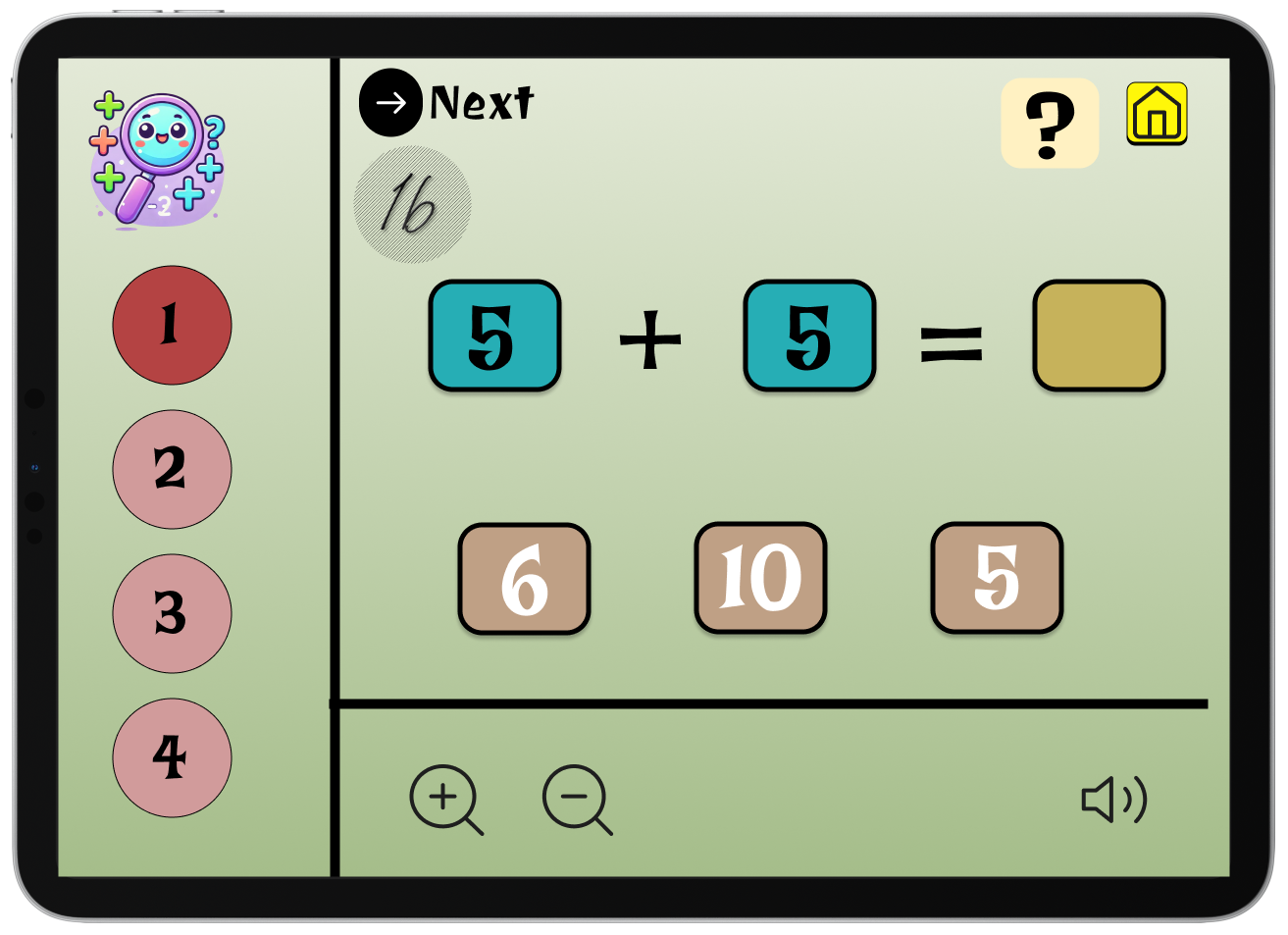 quiz interface
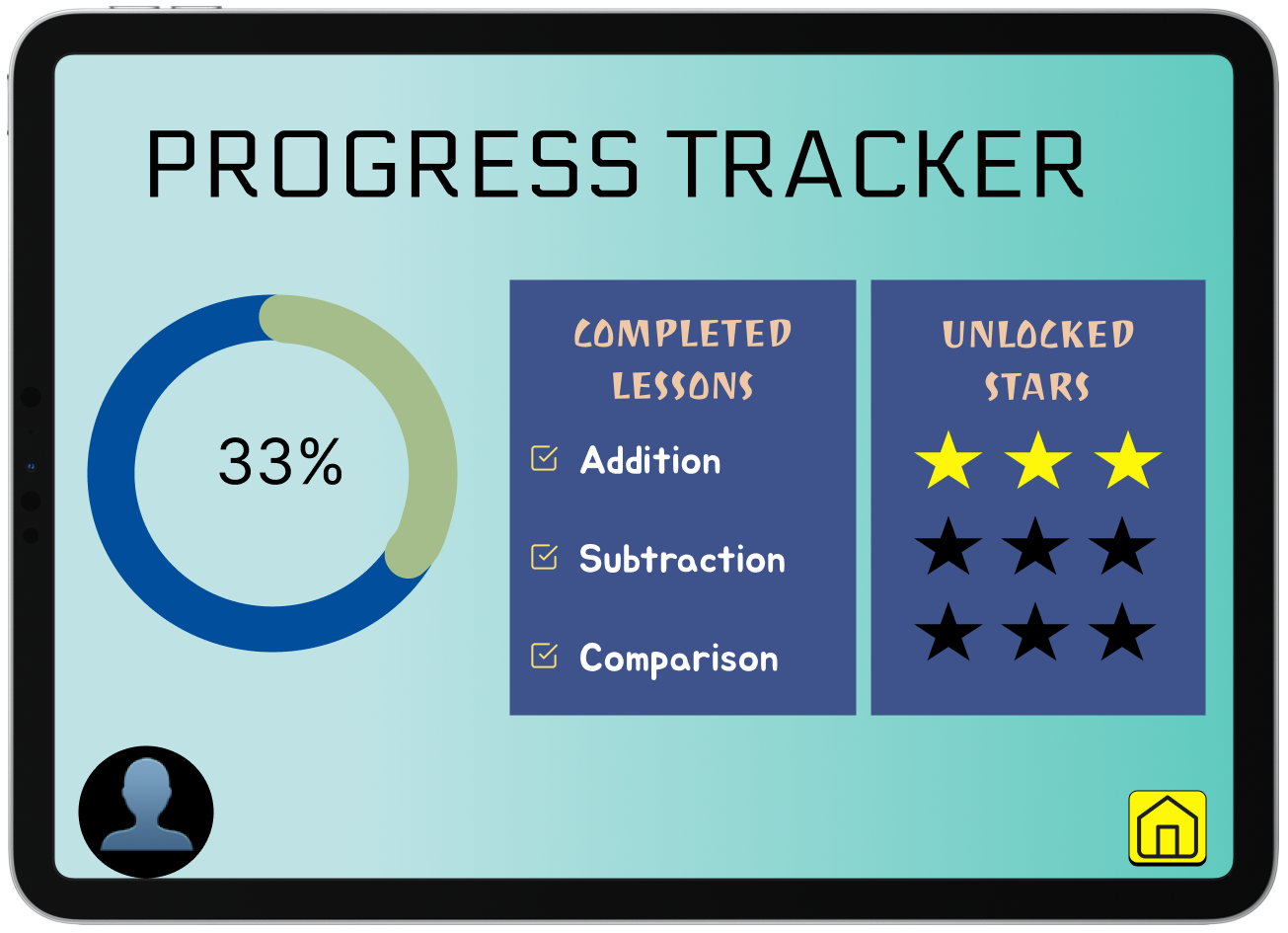 progress tracker